Health & Wellness Blog – MV Krishna Reddy Memorial Hospital
Dec 16, 2025
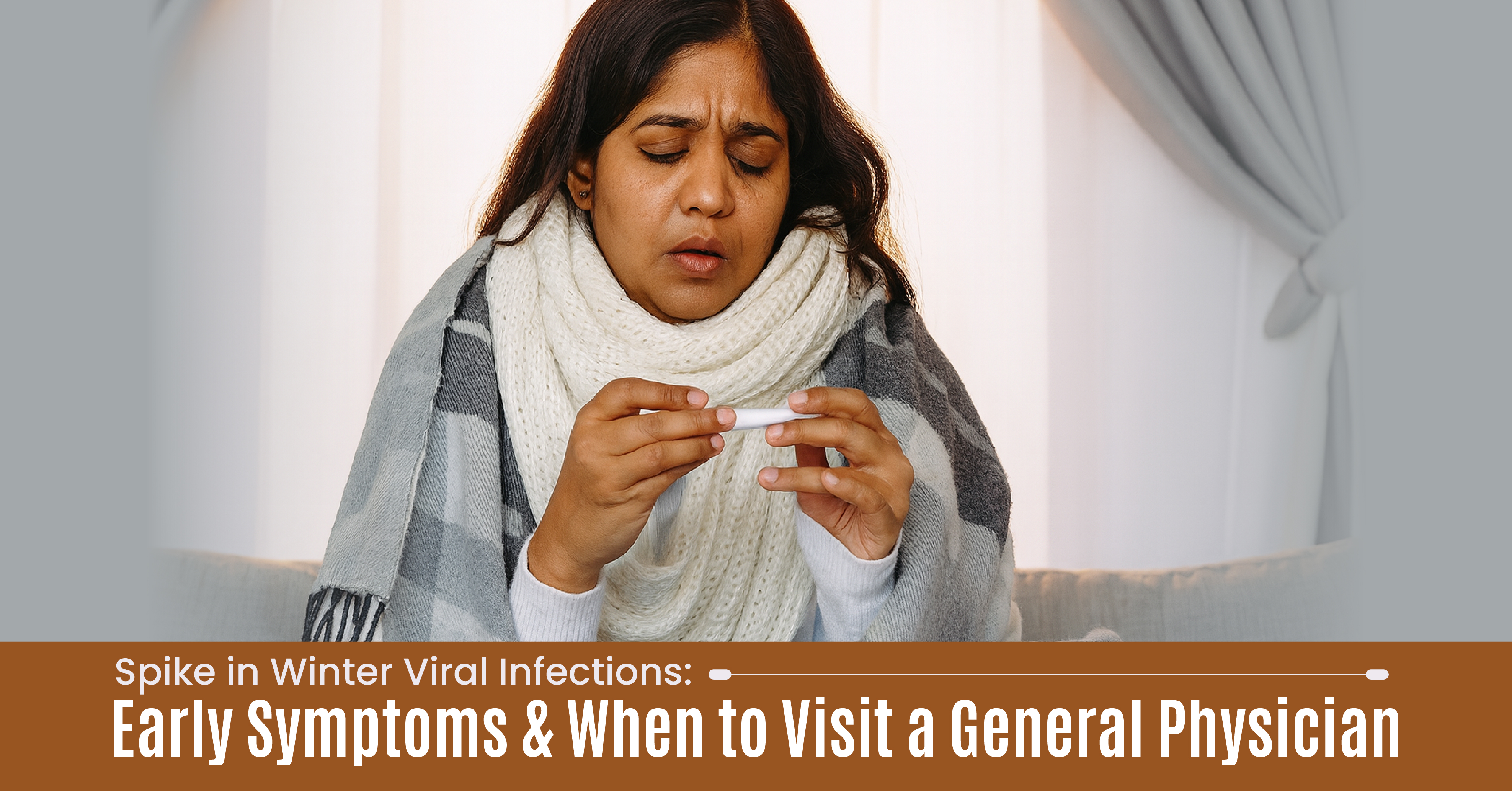
Spike in Winter Viral Infections: Early Symptoms & When to Visit a General Physician
Winter may bring cozy sweaters, warm soups, and festive vibes — but it also brings a sharp rise in viral infections. From the common cold to influenza, viral fevers, RSV, and new seasonal strains, winter becomes the perfect breeding ground for respiratory illnesses.
Every year, hospitals see a noticeable increase in people experiencing:
- fever
- sore throat
- cough
- body aches
- nasal congestion
- breathing difficulties
So what exactly causes this seasonal spike?
Which early symptoms should you look out for?
And when should you actually visit a general physician instead of waiting it out at home?
Let’s break it down in a clear, friendly, and practical way — so you understand what’s happening in your body and when to seek help.
Why Do Winter Viral Infections Increase So Sharply?
Winter puts the perfect conditions in place for viruses to thrive.
Here’s why infections spread faster during colder months:
-
Cold Air Weakens Immune Response
Cold temperatures reduce the activity of immune cells in your nose and throat.
This makes it easier for viruses to enter and multiply.
-
Dry Air Dries Out the Nasal Passage
Winter air has low humidity.
Dry nasal passages = reduced mucous protection = easier viral entry.
-
People Stay Indoors More
Closed rooms, poor ventilation, and close contact create a virus-friendly environment.
-
Viruses Survive Longer in Low Temperatures
Influenza and other viruses remain stable and infectious longer during winter.
-
Low Vitamin D Levels Affect Immunity
Less sunlight → reduced Vitamin D → weakened immune defence.
-
Seasonal Stress & Lifestyle Changes
Holiday stress, poor sleep, and dietary shifts can reduce immunity.
Everything combines to create peak viral season.
Common Winter Viral Infections You’re Likely to Encounter
Here are the most common infections that spike in cold weather:
-
Common Cold (Rhinovirus)
Causes sneezing, runny nose, mild fever, congestion.
-
Influenza (Flu Virus)
More severe — high fever, body pain, fatigue, cough.
-
Viral Fever
General fever caused by multiple viral strains.
-
RSV (Respiratory Syncytial Virus)
Serious in infants and older adults; leads to breathing difficulty.
-
COVID-19 & Seasonal Variants
Still circulates during winter and overlaps with flu symptoms.
-
Adenovirus Infections
Pink eye, cough, diarrhea, sore throat.
-
Norovirus
Causes vomiting, diarrhea — spreads rapidly in winter.
Remember: symptoms often overlap, so only a physician can give accurate diagnosis.
What Are the Early Symptoms of Winter Viral Infections?
Let’s break down the early warning signs your body gives when a virus is forming.
-
Fever or Chills
One of the first signs.
Not always high — sometimes low grade (99–100°F).
-
What it means:
Your immune system is fighting viral particles.
-
Sore Throat
Dry, scratchy, painful swallowing — common with cold and influenza
-
Runny or Stuffy Nose
Viruses inflame nasal passages and produce excess mucus.
-
Cough
Dry or wet.
If persistent > 3 days, consult a doctor.
-
Body Pain & Muscle Aches
Caused by the immune system releasing inflammatory chemicals.
-
Fatigue or Weakness
Viral infections drain your energy quickly.
-
Headache or Eye Pain
A sign of sinus involvement.
-
Loss of Appetite
Common when the body is fighting infection.
-
Mild Breathing Discomfort
Nasal congestion and throat irritation may cause breathing difficulty.
How Do You Know If It’s a virus or Just Seasonal Change?
Seasonal changes can cause:
- sneezing
- dryness
- mild throat irritation
But viral infection symptoms worsen and spread.
Here is a quick comparison:
| Symptom | Seasonal Change | Viral Infection |
|---|---|---|
| Fever | No | Yes, common |
| Body ache | No | Yes |
| Cough | Mild | Moderate–Severe |
| Fatigue | Rare | Common |
| Nasal congestion | Mild | Heavy |
| Duration | 1–2 days | 5–10 days |
If symptoms intensify over 24–48 hours, it’s more likely viral.
When Should You Visit a General Physician?
Many people wait too long, hoping symptoms will go away.
But early consultation prevents complications.
Visit a doctor if you notice:
-
Fever lasting more than 2 days
Especially if above 101°F.
-
Persistent cough for 3+ days
Could be flu, RSV, bronchitis, or COVID-19
-
Difficulty breathing or chest tightness
A medical emergency — get help immediately.
-
Severe body pain or weakness
Influenza is known for extreme fatigue.
-
Dehydration
Dry mouth, tiredness, dark urine — needs medical attention.
-
Symptoms getting worse, not better
Viral load increasing.
-
History of asthma, diabetes, heart disease
Higher complication risk.
-
Symptoms in infants or elderly
Their immunity is lower; viruses spread quickly.
When Is Home Treatment Enough?
You can manage mild viral infections at home IF:
- Fever is below 100°F
- Symptoms are manageable
- No breathing issues
- Hydration is normal
- You’re improving each day
Home remedies include:
- warm fluids
- steam inhalation
- saline gargles
- rest
- fever medication (doctor-approved)
- vitamin C, zinc-rich diet
If symptoms don’t improve in 48 hours — see a physician.
Why You Should Avoid Self-Medicating
Many people take random antibiotics for viral infections.
But antibiotics do not treat viruses.
They can cause:
- antibiotic resistance
- gut imbalance
- delayed recovery
- unnecessary side effects
A general physician will guide the right treatment based on symptoms, age, and medical history.
How General Physicians Treat Winter Viral Infections
Treatment focuses on symptom relief and immune support.
They may prescribe:
- antiviral medication (if needed)
- cough suppressants or expectorants
- decongestants
- antihistamines
- fever reducers
- hydration therapy
- nebulization for breathing difficulty
Doctors also rule out pneumonia, dengue, COVID-19, RSV, and bacterial infections.
How to Protect Yourself During Winter Virus Season
These simple habits significantly reduce risk:
-
Wash hands frequently
Kills viruses before they spread.
-
Wear masks in crowded indoor spaces
Prevents inhalation of respiratory droplets.
-
Improve ventilation
Open windows for airflow.
-
Boost immune system naturally
Include:
- citrus fruits
- turmeric
- garlic
- almonds
- green tea
- vitamin C, D, zinc
-
Stay hydrated
Dry winter air dehydrates faster.
-
Avoid touching face
Reduces viral entry.
-
Get adequate sleep
Strengthens immunity.
-
Keep distance from sick individuals
Reduces exposure to active viruses.
Special Risk Groups: Who Needs Extra Care?
Winter viruses can be dangerous for:
- infants under 5
- elderly above 60
- people with asthma
- diabetics
- heart patients
- pregnant women
- people with low immunity
If they show symptoms — consult a doctor immediately.
Common Myths About Winter Viral Infections
Let’s clear up some confusion.
-
Myth: Cold weather causes viral infections
Reality: Viruses spread more easily in dry, cold air — but temperature alone doesn’t cause infection.
-
Myth: Antibiotics treat viral infections
Reality: Antibiotics only work on bacteria.
-
Myth: If symptoms are mild, you don’t need rest
Reality: Rest helps your immune system fight infection faster.
-
Myth: Drinking hot water kills the virus
Reality: Hot water relieves symptoms but doesn’t kill viruses.
When Viral Infections Become Serious: Warning Signs
Get urgent medical attention if you notice:
- high fever > 103°F
- severe chest pain
- confusion or delirium
- blue lips or face
- inability to drink water
- rapid breathing
- persistent vomiting
- drowsiness or fainting
These symptoms may indicate pneumonia, severe flu, or respiratory distress.
FAQs About Winter Viral Infections
-
Why do children fall sick more often in winter?
Their immunity is still developing and viruses spread faster in daycare or school environments.
-
How long do winter viral infections last?
Most last 5–10 days; flu can take 2 weeks.
-
How do I know if it’s flu or a common cold?
Flu causes high fever and severe body pain.
Cold causes mild symptoms.
-
Can viral infections spread through food?
Yes — norovirus spreads via contaminated food and water.
-
Is it normal to get viral fever multiple times in winter?
Yes — multiple strains circulate during the season.
Conclusion: Early Detection & Right Care Make All the Difference
Winter viral infections are common, but that doesn’t mean they should be ignored.
Understanding early symptoms, knowing when to seek medical advice, and taking preventive steps can protect you and your family from severe complications.
If symptoms persist, worsen, or involve difficulty breathing — consult a general physician immediately.
Winter viruses may be seasonal, but your health deserves year-round attention.
Stay warm. Stay informed. Stay protected.
Experiencing fever, cough, or body aches this winter? Consult our expert general physicians at MV Krishna Reddy Memorial Hospital for timely care and personalised treatment
Reference Links
-
Viral infection patterns in winter
-
Influenza epidemiology
-
RSV infection risks
-
Immunity and winter illnesses
-
Viral transmission in cold weather
More from Blog
Jun 01, 2026
Apr 15, 2026

Mar 17, 2026

Feb 15, 2026
Feb 06, 2026