Health & Wellness Blog – MV Krishna Reddy Memorial Hospital
Feb 15, 2026
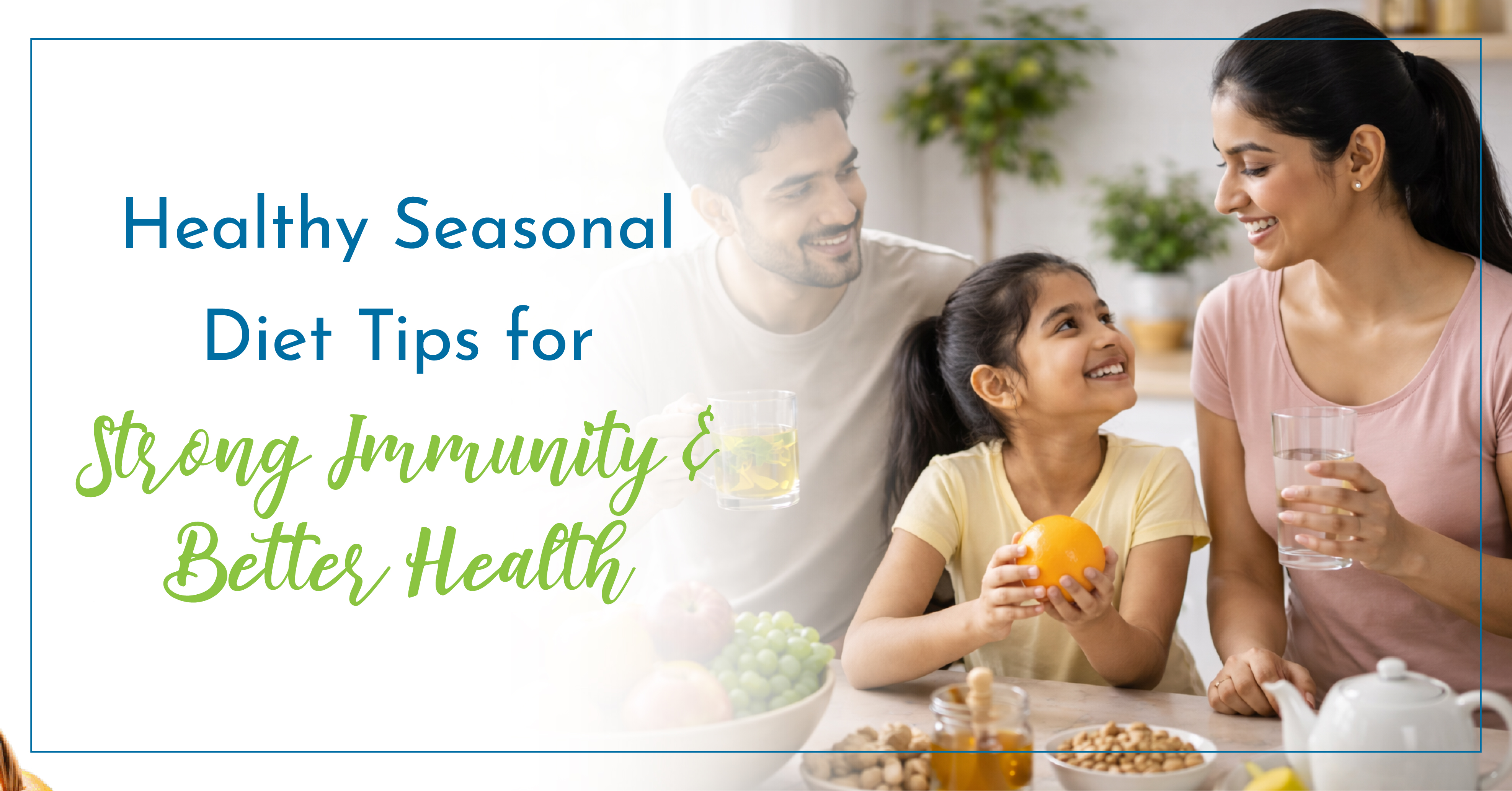
Healthy Seasonal Diet Tips for Strong Immunity & Better Health
Introduction: Why Eating with the Seasons Matters
Healthy seasonal diet tips play a vital role in strengthening immunity, preventing common diseases, and maintaining overall health throughout the year. Eating foods that naturally grow in each season supports better digestion, improves nutrient absorption, and helps the body adapt to changing weather conditions.
This article explains how seasonal nutrition supports immunity, which foods to eat across different seasons, and how a balanced diet can help reduce the risk of infections and lifestyle-related conditions. The guidance is purely educational and aligned with evidence-based nutritional principles.
What Is a Healthy Seasonal Diet?
A healthy seasonal diet focuses on consuming fresh fruits, vegetables, grains, and proteins that are naturally available during a particular season. These foods are nutritionally dense, easier to digest, and rich in vitamins, minerals, and antioxidants that support immunity and long-term health.
Disease Overview - How Poor Diet Affects Immunity & Health
Common Conditions Linked to Nutritional Imbalance
An unhealthy or non-seasonal diet may contribute to:
- Recurrent infections (cold, flu, viral fevers)
- Digestive disorders
- Nutrient deficiencies (iron, vitamin D, vitamin C)
- Weakened immune response
- Lifestyle diseases such as diabetes and hypertension
Seasonal changes place additional stress on the immune system. For example, monsoon seasons increase the risk of infections, while winter may worsen respiratory illnesses.
Impact of Nutrition on Immune Function
Nutrition for immunity is closely linked to:
- White blood cell production
- Antioxidant defence mechanisms
- Gut health and microbiome balance
- Inflammation control
A seasonal food guide ensures the body receives nutrients when they are most needed.
Treatment Overview - Where Nutrition Fits in Preventive Healthcare
Role of Diet in Disease Prevention
A balanced diet to prevent common diseases is considered a first-line preventive strategy in modern healthcare. While food does not replace medical treatment, it supports:
- Faster recovery from illness
- Reduced frequency of infections
- Better management of chronic conditions
Doctors and nutrition experts consistently recommend dietary modification as part of holistic health care.
Seasonal Diet vs Processed Foods
Compared to processed or imported foods, seasonal produce offers:
- Higher nutrient density
- Fewer preservatives
- Better bioavailability of vitamins and minerals
This makes seasonal eating a sustainable and health-focused choice.
How Seasonal Nutrition Works in the Body
High-Level Mechanism (Non-Clinical)
Seasonal foods support the body through:
- Micronutrient optimisation: Vitamins and minerals align with seasonal physiological needs
- Improved digestion: Fresh foods are easier for the gut to process
- Immune modulation: Antioxidants help regulate immune responses
- Hydration balance: Seasonal fruits support fluid balance
This natural alignment enhances resilience against infections and environmental stressors.
Seasonal Food Guide - Best Foods for Health Across the Year
Summer - Cooling & Hydrating Foods
Best foods for health in summer include:
- Watermelon, muskmelon
- Cucumber, bottle gourd
- Coconut water
- Yoghurt and buttermilk
Benefits: Prevent dehydration, support gut health, reduce heat-related fatigue.
Monsoon - Immunity-Boosting & Digestive Foods
Healthy seasonal diet tips for monsoon:
- Steamed vegetables
- Ginger, turmeric
- Lentils and soups
- Vitamin C-rich fruits (amla, guava)
Benefits: Reduce infection risk and support digestion.
Winter – Energy-Dense & Warming Foods
Seasonal winter foods include:
- Leafy greens (spinach, fenugreek)
- Citrus fruits
- Nuts and seeds
- Whole grains
Benefits: Support respiratory health and boost immunity.
Common User Questions About Seasonal Diet & Immunity
Can Seasonal Eating Really Improve Immunity?
Yes. Seasonal eating provides nutrients when the body needs them most, helping optimise immune response and reduce the risk of seasonal infections.
Is a Seasonal Diet Suitable for All Age Groups?
In general, yes. Seasonal diets can be adapted for children, adults, and older adults with portion control and medical guidance where needed.
Do Seasonal Foods Replace Supplements?
Seasonal foods may reduce dependency on supplements, but supplements should only be taken under medical advice if deficiencies exist.
Safety and Usage Overview
Important Nutritional Safety Considerations
- Wash fruits and vegetables thoroughly
- Avoid raw or undercooked foods during monsoon
- Manage portion sizes
- Individuals with medical conditions should consult healthcare professionals
Disclaimer: This content is for informational purposes only and does not replace professional medical or dietary advice.
Frequently Asked Questions (FAQ – AEO Optimised)
-
What are the best healthy seasonal diet tips for immunity?
Focus on fresh fruits, vegetables, whole grains, adequate protein, and hydration. Seasonal foods provide essential nutrients that support immune function naturally.
-
How does nutrition help prevent common diseases?
A balanced diet helps regulate blood sugar, reduce inflammation, improve digestion, and support immune defence, lowering the risk of infections and chronic diseases.
-
Can seasonal foods improve digestion?
Yes. Seasonal foods are easier to digest and support gut health, which plays a key role in immunity.
-
Is seasonal eating scientifically supported?
Yes. Nutritional science supports seasonal eating due to higher nutrient density and better alignment with physiological needs.
-
Should patients with chronic illness follow a seasonal diet?
They can, but dietary changes should always be discussed with a healthcare provider.
Key Takeaways – Healthy Seasonal Eating at a Glance
- Seasonal foods support stronger immunity
- Fresh produce improves digestion and nutrient absorption
- Nutrition plays a preventive role in common diseases
- Seasonal eating is safe, sustainable, and evidence-based
- Always personalise diet based on health conditions
Conclusion: Building Long-Term Health Through Seasonal Nutrition
Following healthy seasonal diet tips is a practical, natural approach to improving immunity and overall wellbeing. By choosing the right foods at the right time, individuals can support their body’s natural defence mechanisms and reduce disease risk.
For more trusted health education, explore related articles on nutrition for immunity, preventive healthcare, and lifestyle wellness on the MVKR Memorial Hospital website.
Learn more. Eat mindfully. Stay healthy.
More from Blog

Jun 01, 2026

Apr 15, 2026

Mar 17, 2026

Feb 06, 2026

Jan 28, 2026