Health & Wellness Blog – MV Krishna Reddy Memorial Hospital
Dec 24, 2025
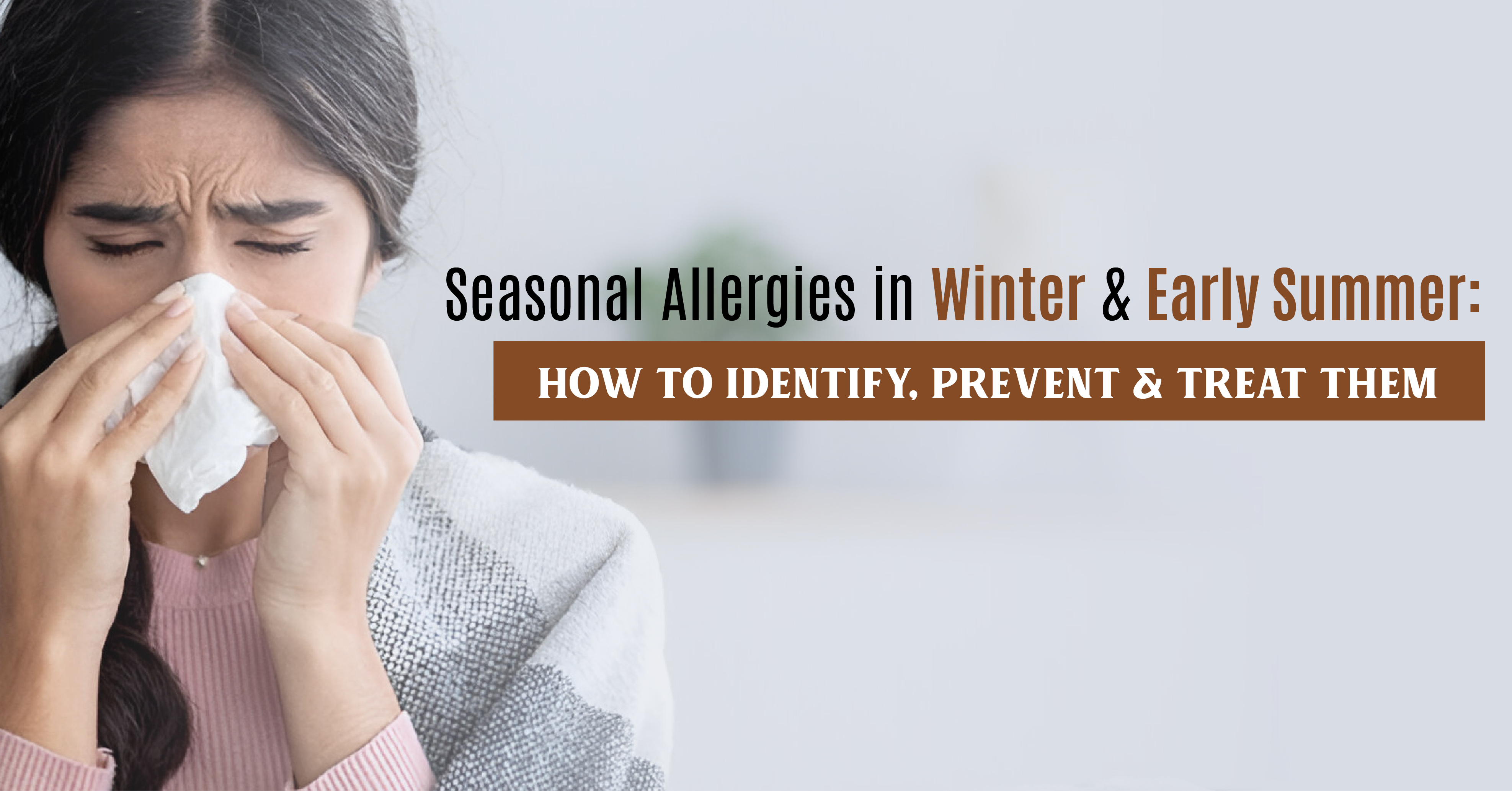
Seasonal Allergies in Winter & Early Summer: How to Identify, Prevent & Treat Them
When we think of seasonal allergies, we usually imagine spring flowers, pollen, and sneezing fits — but here’s the truth most people don’t realize:
Seasonal allergies can flare up in winter and early summer too.
Yes, winter allergies and early-summer allergies are real, sneaky, and often misunderstood.
They show up with symptoms like:
- sneezing
- runny nose
- itchy eyes
- dry cough
- sinus pressure
- sore throat
- skin irritation
These symptoms often get mistaken for a cold, flu, or viral infection.
But if they’re recurring, predictable, or lasting longer than 10 days — allergies may be the real cause.
In this detailed guide, we’ll explore:
- Why allergies spike in winter and early summer
- What symptoms to watch out for
- How to differentiate allergies from infections
- The best prevention strategies
- Treatment options recommended by doctors
- When to see a physician
Let’s dive in and decode allergy season like never before.
Why Do Allergies Happen in the First Place?
Allergies occur when your immune system overreacts to harmless substances called allergens, such as:
- pollen
- dust mites
- mold spores
- pet dander
- temperature changes
Your body sees these as threats and releases histamines, leading to itchy, swollen, and irritated tissues.
But why winter? Why early summer?
Let’s explore.
Winter Allergies: Why They Occur Even When There’s No Pollen
Winter may feel like a low-allergen season, but indoor allergens actually peak during cold weather.
Here’s why:
More Time Indoors = More Allergen Exposure
Cold temperatures push people indoors — where allergens like:
- dust mites
- molds
- pet dander
- fabric fibres
- indoor pollutants
…circulate more frequently.
Poor ventilation worsens the problem.
Dry Air Irritates Airways
Winter air is extremely dry.
Dryness weakens the mucous membranes that usually trap allergens.
This makes your nose, throat, and eyes more sensitive.
Heating Systems Spread Allergens
Room heaters and blowers stir up:
- dust particles
- mold spores
- pet hair
These irritants circulate continuously inside closed spaces.
Holiday Allergens
Winter festivals bring:
- scented candles
- artificial fragrances
- Christmas trees
- new carpets, paints, or decor
All of these can trigger allergic reactions.
Mold Growth in Damp Areas
Winter moisture + lack of sunlight = mold thriving in bathrooms, kitchens, corners, closets.
Mold spores irritate the respiratory system.
Early Summer Allergies: Why They Hit Harder Than Spring for Many People
Early summer brings a new wave of allergens, especially in tropical climates like India.
Common reasons include:
Increase in Grass Pollen
Grass pollen peaks in early summer, triggering:
- sneezing
- runny nose
- itchy eyes
- throat irritation
Rise in Mold Spores
Humidity increases, causing mold growth indoors and outdoors.
High Dust Levels
Dry winds and construction dust irritate nasal passages.
Sudden Temperature Fluctuations
Switching between AC rooms and hot outdoors causes airway stress.
Cottonwood and Seed Allergens
Summer trees shed fluffy seeds that travel through air and cause irritation.
Winter vs Early Summer Allergies: How to Distinguish Them
| Feature | Winter Allergies | Early Summer Allergies |
|---|---|---|
| Allergens | Dust, mold, pet dander, indoor allergens | Grass pollen, mold, dust, environmental pollutants |
| Symptoms | Dry cough, sneezing, sinus pressure | Runny nose, watery eyes, itching |
| Season | Dec–Feb | March–June |
| Trigger Area | Indoors | Mostly outdoors |
Understanding your pattern helps prevent flare-ups.
Early Symptoms of Winter & Summer Allergies You Should Never Ignore
Here are the first warning signs of seasonal allergies:
- Sneezing in sudden bursts
- Runny or blocked nose
- Post-nasal drip (mucus at the back of throat)
- Itchy or watery eyes
- Dry or tickly cough
- Sinus headaches
- Scratchy throat
- Wheezing or mild breathing difficulty
- Skin rashes or eczema flare-ups
If these symptoms repeat every year around the same time, allergies are likely the cause.
How to Know If It’s Allergies — or a Cold, Flu, or Viral Infection?
This is where most people get confused.
Allergies vs Viral Infections: Key Differences
| Feature | Allergies | Viral Infection |
|---|---|---|
| Fever | Rare | Common |
| Body ache | Mild or none | Strong |
| Symptom duration | Weeks/months | 3–10 days |
| Pattern | Seasonal & recurrent | Random |
| Mucus | Clear & watery | Yellow/green |
| Contagious? | No | yes |
If your symptoms come and go yearly with weather changes → it’s likely allergies.
Major Allergy Triggers in Winter & Early Summer (India-Specific)
Winter Triggers
- Dust mites
- Mold in damp rooms
- Blowers & heaters
- Pet dander
- Scented candles or perfumes
- Woolen clothing fibres
- Polluted indoor air
Early Summer Triggers
- Grass pollen
- Flower pollen
- Construction dust
- Outdoor pollution
- Air-conditioning dryness
- Cotton tree fluff
- Rising mold spores
How to Prevent Seasonal Allergies Before They Start
Prevention is better than constant sneezing!
Here’s what doctors recommend:
Deep Clean Your Home Regularly
Dust mites thrive in:
- bedding
- carpets
- curtains
- sofas
Vacuum weekly using HEPA filters.
Use Air Purifiers
Especially in:
- bedrooms
- living rooms
- AC environments
Purifiers remove dust, pollen, and pollutants.
Keep Humidity Balanced
Winter: add moisture using a humidifier
Summer: reduce humidity to prevent mold
Shower After Outdoor Exposure
Pollen and dust stick to skin & hair.
Avoid the “AC to hot weather” shock
Let your body adjust gradually while walking out of AC rooms.
Wash Bedding in Hot Water Weekly
Kills dust mites and allergens.
Keep Windows Closed on High-Pollen Days
Early morning and early evening pollen count is highest.
Wear Masks Outdoors
Reduces inhalation of allergens.
Stay Hydrated
Keeps mucous membranes moist and protective.
Choose hypoallergenic fabrics
Avoid wool if you’re sensitive.
Best Treatments for Winter & Early Summer Seasonal Allergies
Treatment depends on symptom severity.
Antihistamines
Commonly used for:
- sneezing
- runny nose
- itching
These block histamine release.
Nasal Sprays
- Steroid sprays reduce inflammation
- Saline sprays wash out allergens.
Decongestants
Provide relief from blocked nose (short-term use only).
Eye Drops
Helpful for redness, itching, and watery eyes.
Leukotriene Modifiers
Prescribed for allergic asthma or severe rhinitis.
Allergy Immunotherapy
For chronic or severe allergies.
Home Remedies That Help
- Steam inhalation
- Warm salt-water gargles
- Ginger & turmeric drinks
- Tulsi tea
- Honey (if not allergic)
When Should You Visit a General Physician or Allergist?
Seek medical advice if:
- Symptoms last more than 2 weeks
- Breathing becomes difficult
- You notice wheezing or chest tightness
- Over-the-counter medicines stop working
- Symptoms interrupt sleep
- You develop sinus infections frequently
- Symptoms worsen outdoors or indoors consistently
Doctors may recommend blood tests, skin prick tests, or imaging if needed.
Children & Allergies: Why Winter and Summer Are Risky
Kids have developing immune systems, making them more vulnerable.
Watch for:
- frequent cough
- itchy eyes
- runny nose
- eczema flare-ups
- nighttime breathing issues
Never ignore allergies in children — early care prevents asthma later.
How Weather Patterns Influence Allergies (Science Behind It)
winter:
- Cold, dry air irritates airways
- Indoor allergens increase
- Viruses weaken immunity → allergens hit harder
Early Summer:
- Heat increases environmental pollen
- Humidity triggers mold
- Dust rises due to dry winds
Your immune system becomes more reactive during these transitions.
Frequently Asked Questions (FAQs)
-
Can allergies cause fever?
No. Fever suggests infection, not allergies.
-
Why do my allergies worsen at night?
Dust mites in bedding trigger nighttime symptoms.
-
Are seasonal allergies permanent?
Not always. They can reduce with lifestyle changes and immunotherapy.
-
Is it safe to take antihistamines daily?
Yes, but only under medical supervision.
-
Are winter allergies contagious?
No — allergies cannot spread from person to person.
-
Can allergies turn into asthma?
Yes. Uncontrolled allergies increase asthma risk.
Conclusion: Understand Your Allergy Season, Protect Your Health
Seasonal allergies in winter and early summer are becoming increasingly common due to weather changes, pollution, indoor allergens, and fluctuating humidity levels. But the good news is — once you recognize your triggers and symptoms, managing allergies becomes much easier.
- Track early warning signs
- Avoid common allergens
- Maintain clean indoor air
- Use medications when needed
- Visit a doctor for persistent symptoms
A little awareness goes a long way in preventing flare-ups and staying healthy throughout the year.
Listen to your body. Act early. Breathe easier.
If seasonal allergies are affecting you or your loved ones, don’t wait for symptoms to worsen. Consult experienced doctors at MV Krishna Reddy Memorial Hospital for proper diagnosis, personalized treatment, and allergy management plans.
More from Blog
Jun 01, 2026
Apr 15, 2026

Mar 17, 2026

Feb 15, 2026
Feb 06, 2026