Health & Wellness Blog – MV Krishna Reddy Memorial Hospital
Feb 06, 2026
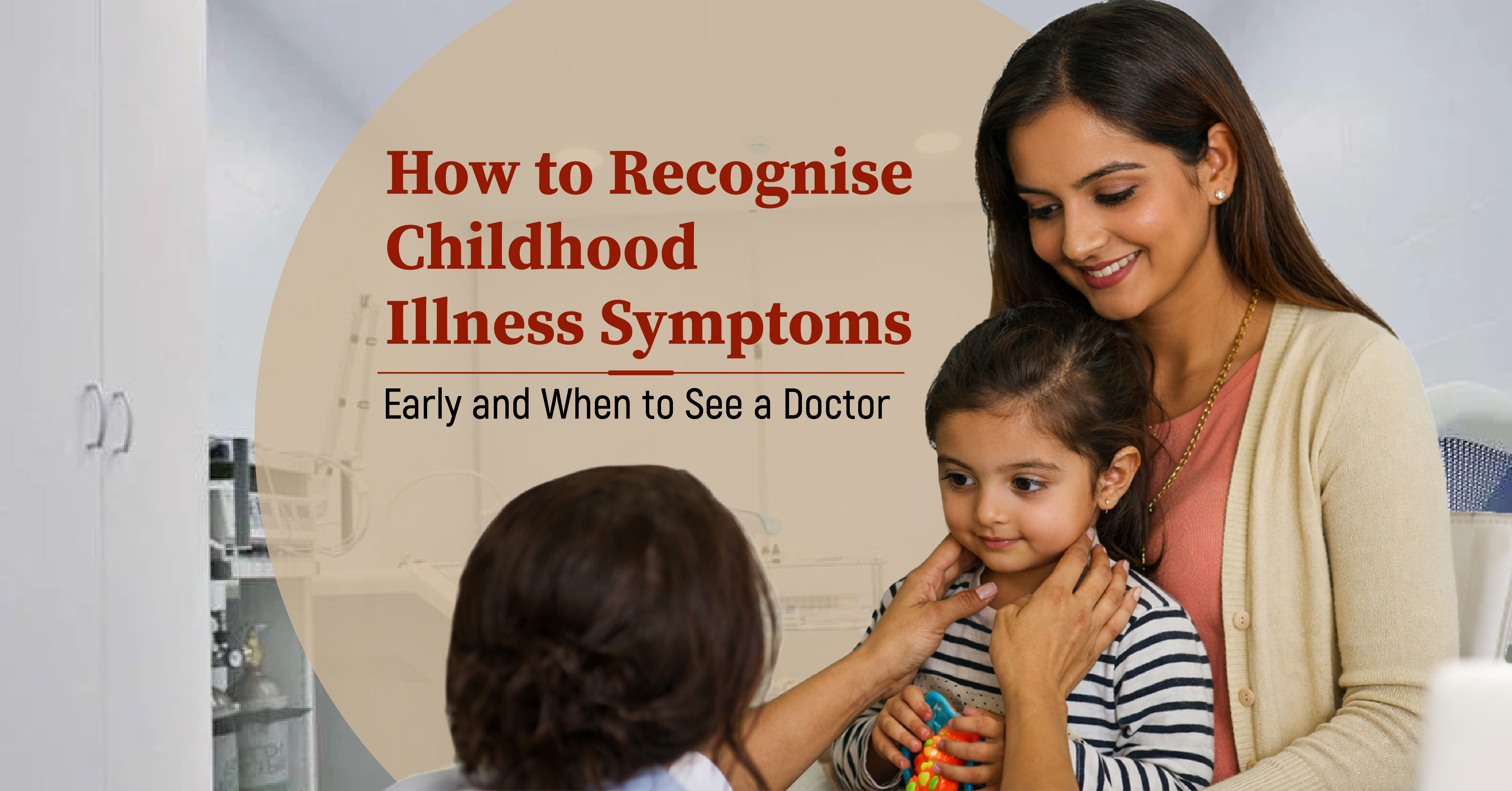
How to Recognise Childhood Illness Symptoms Early and When to See a Doctor
Introduction
Children frequently experience illnesses as their immune systems develop and adapt to new environments. While many childhood conditions are mild, recognising childhood illness symptoms early plays an important role in preventing complications and ensuring timely care.
This article explains common kids diseases, early symptoms to watch for, basic home care guidance, and when to visit a doctor for kids, helping parents make informed and confident decisions about their child’s health.
Disease Overview – Common Childhood Illnesses
Childhood illnesses are common due to close contact in schools and play areas, along with developing immunity. Most conditions are short-lived, but some require closer observation and medical evaluation.
Common Kids Diseases
- Common cold and influenza
- Viral fevers
- Ear and throat infections
- Gastrointestinal infections
- Mild skin rashes and allergic reactions
Understanding these illnesses helps parents recognise early warning signs and respond appropriately.
Causes, Symptoms, and Impact on Children
Most childhood illnesses are caused by viral or bacterial infections, though environmental and seasonal factors may also contribute. Symptoms can vary depending on age, immunity, and overall health.
Childhood Illness Symptoms to Watch For
- Fever or chills
- Cough, cold, or sore throat
- Vomiting or diarrhoea
- Skin rashes or redness
- Fatigue, irritability, or unusual crying
- Reduced appetite or fluid intake
Monitoring symptoms closely supports early care and recovery.
Fever in Children Care Guide
Fever is one of the most common symptoms in children and is usually a natural response to infection. Managing fever involves observing the child’s overall condition rather than focusing only on temperature readings.
When Fever Needs Attention
- Fever lasting more than two days
- High or recurring fever
- Fever in infants
- Fever accompanied by rash, vomiting, or lethargy
Understanding fever patterns helps parents respond calmly and effectively.
Dehydration Symptoms in Children
Dehydration can develop quickly in children, particularly during illnesses involving fever, vomiting, or diarrhoea. Early recognition is essential to prevent complications.
Signs of Dehydration
- Dry mouth or cracked lips
- Reduced or dark-coloured urine
- Sunken eyes
- Excessive sleepiness or low energy
- Crying with few or no tears
Prompt fluid intake and monitoring are important during illness.
Treatment Overview – Managing Childhood Illnesses
Most common childhood illnesses are managed with supportive care focused on comfort and recovery.
General Treatment Approaches
- Adequate rest and sleep
- Maintaining hydration
- Light, balanced nutrition
- Temperature monitoring
- Maintaining hygiene to prevent spread
Medical treatment may be required if symptoms persist or worsen.
How Early Care Supports Recovery
High-Level Explanation
Early care supports recovery by:
- Helping the immune system fight infection
- Preventing dehydration and nutritional imbalance
- Reducing the duration of illness
- Allowing early identification of serious conditions
Timely attention often leads to smoother recovery and fewer complications.
When to Visit Doctor for Kids
Knowing when professional care is needed helps prevent delays in treatment.
Situations That Require Medical Attention
- Difficulty breathing or persistent cough
- Continuous vomiting or diarrhoea
- Signs of dehydration
- Unusual drowsiness or confusion
- Symptoms that do not improve over time
Parental awareness and observation play a key role in timely decision-making.
Safety and Usage Overview
- Avoid giving medication without medical advice
- Follow age-appropriate care practices
- Monitor symptoms regularly
- Ensure vaccinations are up to date
Safe and informed care reduces health risks in children.
Frequently Asked Questions
What are the most common childhood illness symptoms?
Fever, cough, cold, vomiting, diarrhoea, fatigue, and skin rashes are among the most common childhood illness symptoms.
When should parents be concerned about fever in children?
Fever lasting more than two days, recurring fever, or fever with other symptoms may need medical evaluation.
How can dehydration symptoms in children be identified early?
Reduced urination, dry mouth, sunken eyes, and unusual drowsiness are common early signs.
Are common kids diseases usually serious?
Most are mild and resolve with care, but monitoring is important to identify complications early.
When should parents visit a doctor for kids?
Medical advice is recommended if symptoms worsen, persist, or involve breathing issues or dehydration.
Key Takeaways
- Early recognition of childhood illness symptoms supports better recovery
- Fever and dehydration need close observation
- Most common kids diseases are mild but should be monitored
- Knowing when to visit doctor for kids prevents complications
- Supportive care plays an important role in early stages
Conclusion
Childhood illnesses are common, but recognising symptoms early and knowing when to seek medical advice can help parents manage them more confidently. Careful observation at home, along with timely professional guidance when symptoms do not improve, supports safer recovery for children. For families living near Ongole, Andhra Pradesh, MVKR Memorial Hospital is one of the local healthcare centres where further evaluation and guidance may be sought when needed.
Disclaimer: This content is for informational purposes only and does not substitute professional medical advice, diagnosis, or treatment.
More from Blog
Jun 01, 2026
Apr 15, 2026
Mar 17, 2026

Feb 15, 2026

Jan 28, 2026