Health & Wellness Blog – MV Krishna Reddy Memorial Hospital
Mar 17, 2026
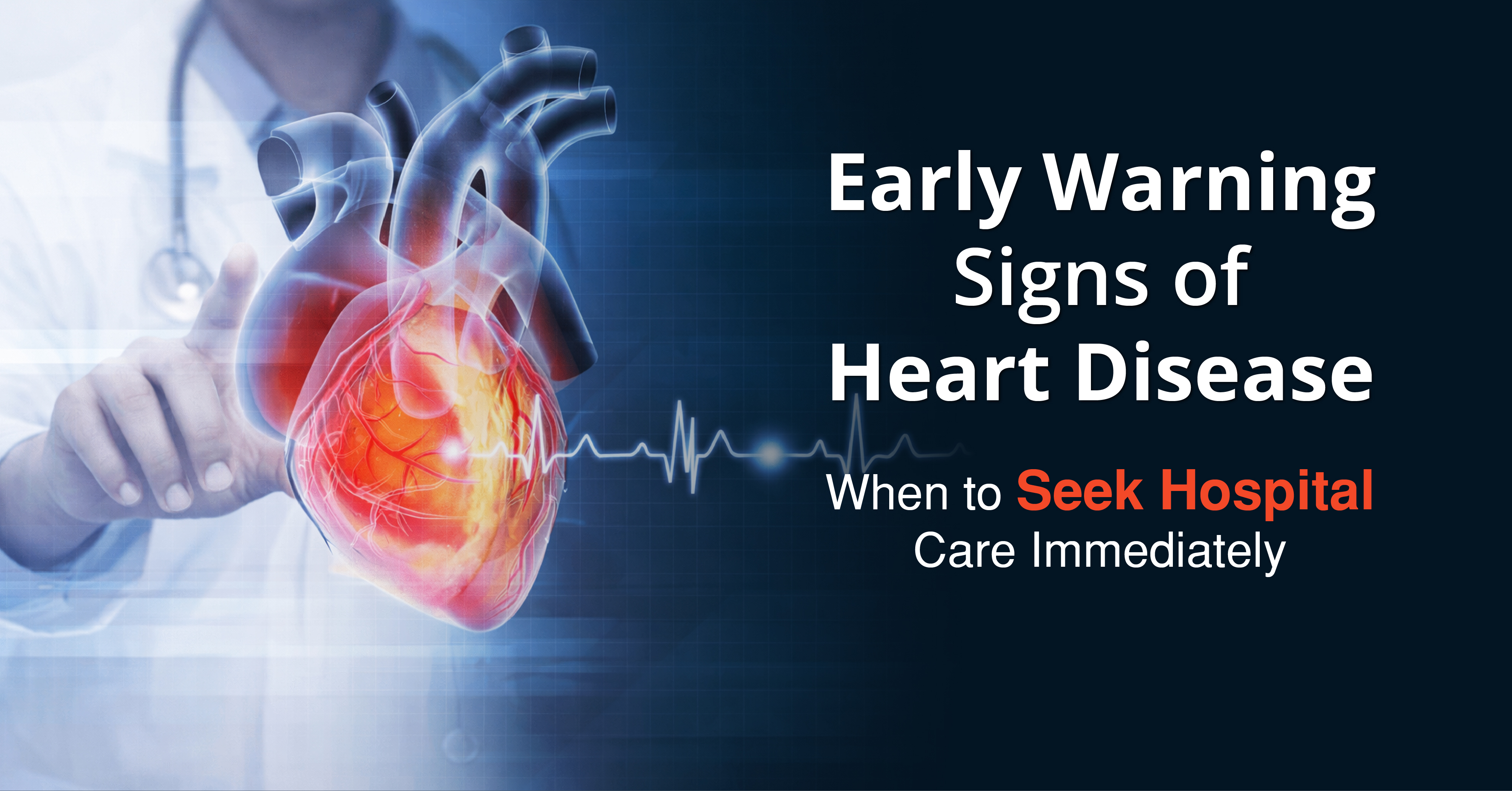
Early Warning Signs of Heart Disease: When to Seek Hospital Care Immediately
Heart disease often develops silently, but the body usually gives warning signals before a serious cardiac event occurs. Recognising the early warning signs of heart disease and knowing when to seek hospital care immediately can be life-saving. Many people delay treatment because symptoms appear mild or unusual, leading to preventable complications.
This article explains the key symptoms, risk indicators, and cardiovascular emergency signals that require urgent medical attention.
Understanding Heart Disease and Why Early Detection Matters
Heart disease refers to a group of conditions affecting the heart and blood vessels, including coronary artery disease, heart failure, and rhythm disorders. Reduced blood flow to the heart muscle can result in chest pain, heart attacks, or sudden cardiac arrest.
Early detection:
- Reduces the risk of permanent heart damage
- Improves survival rates
- Allows timely medical intervention
- Prevents complications such as stroke or heart failure
Ignoring early symptoms may allow the condition to progress rapidly, sometimes without further warning.
Early Warning Signs of Heart Disease You Should Not Ignore
Heart disease symptoms vary between individuals and may not always be dramatic. Some signs appear gradually and are often mistaken for fatigue or indigestion.
Chest Pain and Chest Discomfort Warning Signs
Chest pain is one of the most recognised heart attack early symptoms, but it does not always feel severe.
Common characteristics include:
- Pressure, tightness, heaviness, or squeezing in the chest
- Pain spreading to the left arm, shoulder, neck, jaw, or back
- Discomfort lasting more than a few minutes or recurring
Chest pain that occurs with activity and improves with rest may indicate underlying heart disease and requires medical evaluation.
Shortness of Breath
Breathlessness during routine activities or while resting can be an early sign of heart disease.
This may occur due to:
- Reduced pumping efficiency of the heart
- Fluid build-up in the lungs
- Poor oxygen delivery to tissues
Sudden or worsening breathlessness should be treated as a warning sign.
Unusual Fatigue and Weakness
Persistent, unexplained fatigue—especially when accompanied by other symptoms—can indicate reduced blood flow to the heart.
This symptom is particularly common in:
- Older adults
- People with diabetes
- Women experiencing heart disease
Fatigue that interferes with daily activities should not be ignored.
Irregular Heartbeat or Palpitations
An abnormal heart rhythm may feel like:
- Fluttering
- Racing heartbeat
- Skipped or slow beats
While some palpitations are harmless, persistent or sudden rhythm changes may signal an underlying heart condition requiring evaluation.
Dizziness, Light-headedness, or Fainting
Reduced blood supply to the brain can cause dizziness or fainting. These symptoms may indicate:
- Abnormal heart rhythm
- Low blood pressure due to heart dysfunction
- Structural heart problems
Any fainting episode should be medically assessed.
Heart Disease Risk Indicators That Increase Urgency
Some individuals have a higher likelihood of developing heart disease and should take symptoms seriously.
Common Heart Disease Risk Indicators
- High blood pressure
- Diabetes
- High cholesterol
- Smoking or tobacco use
- Obesity or sedentary lifestyle
- Family history of heart disease
- Chronic stress
People with these risk factors should seek care earlier, even if symptoms seem mild.
Cardiovascular Emergency Signals – When Hospital Care Is Immediate
Certain symptoms indicate a medical emergency and require immediate hospital care.
Seek Emergency Hospital Care If You Experience
- Chest pain lasting more than 10–15 minutes
- Chest discomfort with sweating, nausea, or vomiting
- Sudden shortness of breath
- Collapse or loss of consciousness
- Severe weakness or numbness on one side of the body
- Sudden confusion or difficulty speaking
These may signal a heart attack or life-threatening cardiac event.
Why Early Hospital Care for Heart Attack Matters
Prompt hospital care allows:
- Rapid diagnosis using ECG and blood tests
- Early restoration of blood flow to the heart
- Prevention of irreversible heart muscle damage
- Reduced risk of complications and death
Delays in treatment significantly increase the severity of heart attacks and long-term heart damage.
Common Myths That Delay Heart Disease Treatment
“The Pain Is Not Severe, So It’s Not Serious”
Heart attacks may present as mild pressure or discomfort rather than sharp pain.
“I’m Too Young to Have Heart Disease”
Heart disease can affect younger adults, especially with lifestyle risk factors.
“The Symptoms Will Go Away on Their Own”
Waiting can worsen outcomes. Early medical evaluation is always safer.
Frequently Asked Questions (FAQs)
Can heart disease symptoms come and go?
Yes. Symptoms such as chest discomfort or breathlessness may appear intermittently, especially during physical exertion, before becoming constant.
Are heart attack symptoms different in women?
Women may experience less typical symptoms such as fatigue, nausea, back pain, or breathlessness without severe chest pain.
How long should chest pain last before going to hospital?
Any chest pain lasting more than a few minutes, recurring, or accompanied by other symptoms requires immediate medical attention.
Can stress cause heart-related symptoms?
Stress can trigger symptoms but may also worsen underlying heart disease. Persistent symptoms should always be evaluated medically.
Is breathlessness alone a sign of heart disease?
It can be, especially if unexplained or worsening. A medical assessment helps determine the cause.
Key Takeaways
- Early warning signs of heart disease are often subtle
- Chest pain, breathlessness, fatigue, and palpitations should not be ignored
- Risk factors increase the need for early evaluation
- Certain symptoms require immediate hospital care
- Early treatment saves heart muscle and lives
Conclusion
Heart disease rarely appears without warning. Understanding the early warning signs of heart disease empowers individuals to act quickly and seek appropriate hospital care before a condition becomes life-threatening. Timely medical evaluation plays a crucial role in preventing complications, preserving heart function, and improving survival outcomes.
Hospitals equipped with emergency cardiac care, such as MV Krishna Reddy Memorial Hospital, are essential in providing rapid assessment and treatment when cardiovascular emergency signals appear. Listening to your body and acting without delay can make a critical difference.
This article is for informational purposes only and does not replace professional medical advice, diagnosis, or treatment.
More from Blog
Jun 01, 2026
Apr 15, 2026

Feb 15, 2026
Feb 06, 2026

Jan 28, 2026