Health & Wellness Blog – MV Krishna Reddy Memorial Hospital
Jan 28, 2026
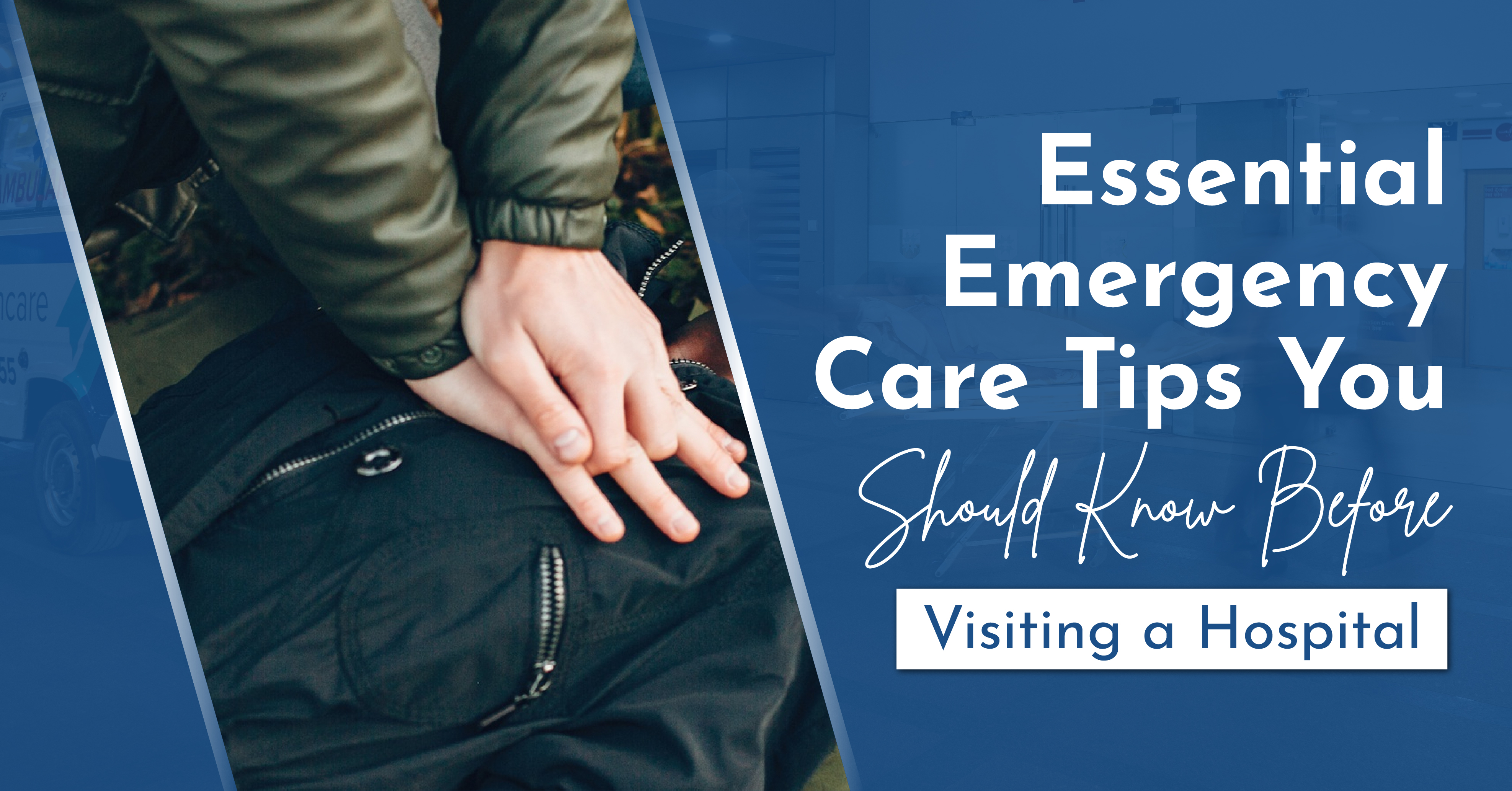
Essential Emergency Care Tips You Should Know Before Visiting a Hospital
Medical emergencies can occur without warning and often demand immediate, calm action. The decisions taken in the first few minutes can influence patient stability and clinical outcomes. Having basic knowledge of emergency care helps individuals respond appropriately until professional medical support becomes available.
Emergency Care Overview: Why Early Action Matters
Emergency care refers to immediate medical attention required for sudden, serious, or potentially life-threatening situations. These events require prompt recognition and swift response.
Common causes of medical emergencies
Emergency situations may result from:
- Road traffic accidents or falls
- Sudden chest pain or breathing difficulty
- Severe bleeding or trauma
- Loss of consciousness
- Stroke-related symptoms
- High fever with altered mental state
Early recognition allows faster access to critical care services.
Impact of delayed response
Delays in emergency care can lead to worsening injury, organ damage, or preventable complications. Timely intervention supports vital functions such as breathing, circulation, and consciousness until definitive treatment is provided.
When to Go to the Emergency Room (ER)
Knowing when emergency medical care is required is essential for patient safety.
Immediate hospital evaluation or ambulance support is recommended in cases of:
- Sudden chest pain, tightness, or pressure
- Difficulty breathing or choking
- Severe head injury or confusion
- Uncontrolled bleeding
- Signs of stroke such as facial drooping, slurred speech, or weakness
- Seizures or fainting episodes
When symptoms are severe, sudden, or worsening, emergency services should be contacted without delay.
Immediate Medical Steps to Take Before Reaching a Hospital
High-level approach to emergency response
In an emergency, the priority is to prevent further harm while awaiting professional care. This involves:
- Quickly assessing the situation
- Ensuring personal and scene safety
- Calling emergency services immediately
- Providing basic first aid where appropriate
Remaining calm supports clearer decision-making.
Essential first aid measures
Basic life-saving actions may include:
- Applying firm pressure to control bleeding
- Positioning an unconscious but breathing person on their side
- Keeping the patient still if spinal injury is suspected
- Loosening tight clothing to assist breathing
These measures are temporary and supportive only.
Ambulance Guidance: What to Do While Waiting
Ambulance services provide trained medical support during transport and are recommended for serious or unstable conditions.
While waiting for emergency responders:
- Keep the patient warm and comfortable
- Monitor breathing and responsiveness
- Avoid giving food, drink, or medication unless advised
- Follow instructions provided by emergency operators
Clear communication helps responders deliver appropriate care on arrival.
Treatment Overview: How Hospitals Manage Emergencies
Hospital emergency departments follow a structured, prioritised approach to care. This typically includes:
- Rapid assessment of vital signs
- Stabilisation of airway, breathing, and circulation
- Diagnostic evaluation
- Immediate treatment or referral to critical care units
Patients are triaged based on clinical urgency to ensure timely intervention.
How Emergency Care Works in Critical Situations
Non-clinical explanation of emergency response systems
Emergency departments operate through coordinated teams trained to respond rapidly and efficiently. Each step is designed to:
- Identify life-threatening conditions
- Stabilise the patient
- Prevent further deterioration
This systematic approach supports improved survival and recovery outcomes.
Common User Questions About Emergency Care
Is an ambulance always necessary?
Ambulances are recommended when symptoms are severe, sudden, or life-threatening, as they provide medical support during transit.
Can first aid replace hospital care?
No. First aid provides temporary support and does not replace professional medical treatment.
What information should be shared at the hospital?
Details about symptoms, medical history, allergies, and current medications support faster and safer care.
Safety and Usage Overview
Emergency actions should only involve measures you are trained to perform. Avoid delays in seeking professional care. Self-treatment during emergencies can increase risk.
This information is intended for general awareness and does not replace medical advice or emergency services.
Frequently Asked Questions (FAQs)
-
What are the most important emergency care tips?
Promptly calling emergency services, staying calm, and providing basic first aid when safe are essential first steps.
-
When should emergency services be contacted immediately?
For chest pain, breathing difficulty, loss of consciousness, or severe injury, emergency services should be contacted without delay.
-
Is it safe to give medication during an emergency?
Medication should only be given if advised by a healthcare professional or emergency operator.
-
How can families prepare for emergencies?
Knowing emergency contact numbers, first aid basics, and nearby hospital locations improves preparedness.
-
Does early hospital arrival affect recovery?
Yes. Timely emergency care significantly improves outcomes in critical conditions.
Key Takeaways
- Medical emergencies require immediate action
- Early response supports better outcomes
- Knowing when to seek ER care is critical
- First aid supports but does not replace hospital care
- Ambulance services provide essential medical support
Conclusion
Preparedness plays a vital role in emergency situations. Recognising warning signs, taking appropriate immediate steps, and seeking timely hospital care can reduce risk and support patient safety. Awareness and calm action remain central to effective emergency response.
For emergency medical services and patient care facilities, visit MVKR Memorial Hospital.
More from Blog
Jun 01, 2026
Apr 15, 2026
Mar 17, 2026

Feb 15, 2026
Feb 06, 2026